A recommendation needs a next step.
Make it clear who prepares the quote or contacts the customer.

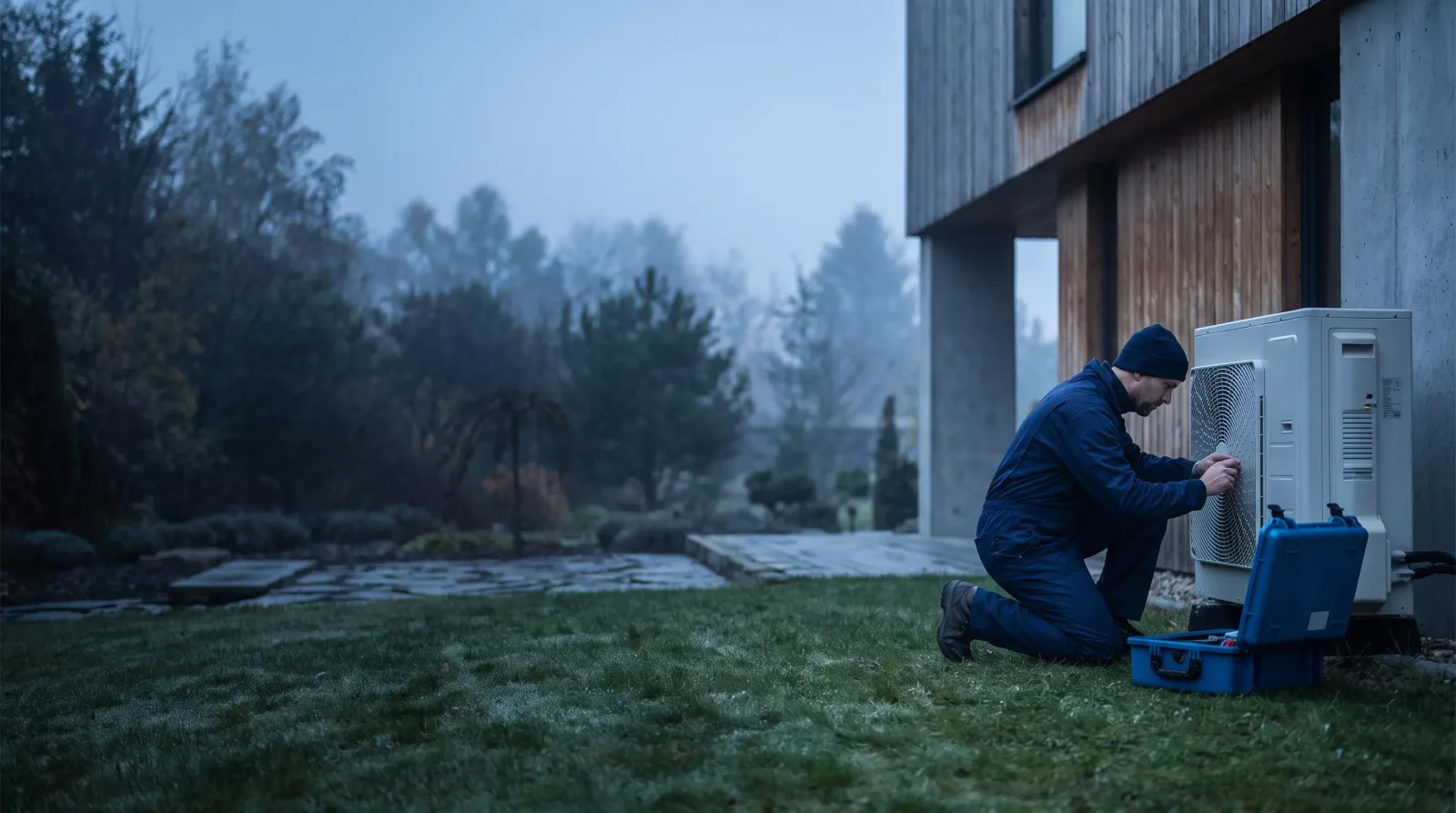
Illustrative scene, not a customer.
FOR HVAC BUSINESS OWNERS
Your technician found work that needs a quote or another visit. Now someone has to pick it up. TyledHQ helps connect those notes to the next action, so you’re not the person chasing every update.
Start with one handoff between your technicians and the people following up.
01 / WHERE WORK GETS STUCK
Make it clear who prepares the quote or contacts the customer.
Keep open recommendations visible after the technician moves to the next job.
Keep the agreed work and outstanding questions together for your team.
02 / HOW IT COULD WORK
Use the notes and recommendations your team already records.
Identify who checks the details and takes the next step.
Bring open quotes and customer decisions into view.
Keep the agreed outcome available to the person arranging the next visit.
A possible setup. We check your records and software before recommending connections or rules. Example statuses, not live customer records.
03 / A PRACTICAL FIRST STEP
Bring one example of work that needed another call, another quote or another visit. We’ll look at what happens after the technician records it and where the next step gets stuck.
You receive a proposal, price and plan before deciding to proceed.
THE RIGHT FIT
A useful starting point is a recurring follow-up involving a technician, service manager or administrator. The goal is to make the next action easier to see and own.
We check your existing service software first. It may already have what you need.
04 / A PRACTICAL START
Show us what needed to happen after the visit.
We review the people, records and tools involved.
Review a clear scope and price before any setup begins.
THE DETAILS
Possibly. We first check its existing features. Extra work only makes sense if a specific follow-up still falls between tools or people.
The first conversation is about follow-up and handoffs. Replacing your scheduling or dispatch system is a separate decision.
Technical and urgent-service decisions stay with your qualified team. This example organizes recorded follow-up; it does not diagnose equipment or run emergency dispatch.
We check access and connection options before proposing anything. Compatibility is not assumed.
It depends on the workflow and support needed. You receive the scope and price before deciding.
LET’S TALK ABOUT YOUR WORK
Tell us which recommendation or return-visit detail takes repeated chasing. We’ll arrange a call about a clearer next step.
Built by GSD Tech Solutions.